
When a plumbing crisis strikes, it rarely waits for a convenient moment. A burst pipe, overflowing toilet, or sudden loss of hot water can instantly turn an ordinary day into a full-blown disaster. That’s why homeowners must know exactly what to do in an emergency and who to call. This guide walks you through essential steps, common issues, and when it’s time to bring in the experts.
Available 24/7, Plumbing Company keeps water systems running smoothly and safely across Tampa, Lutz, and Seminole.
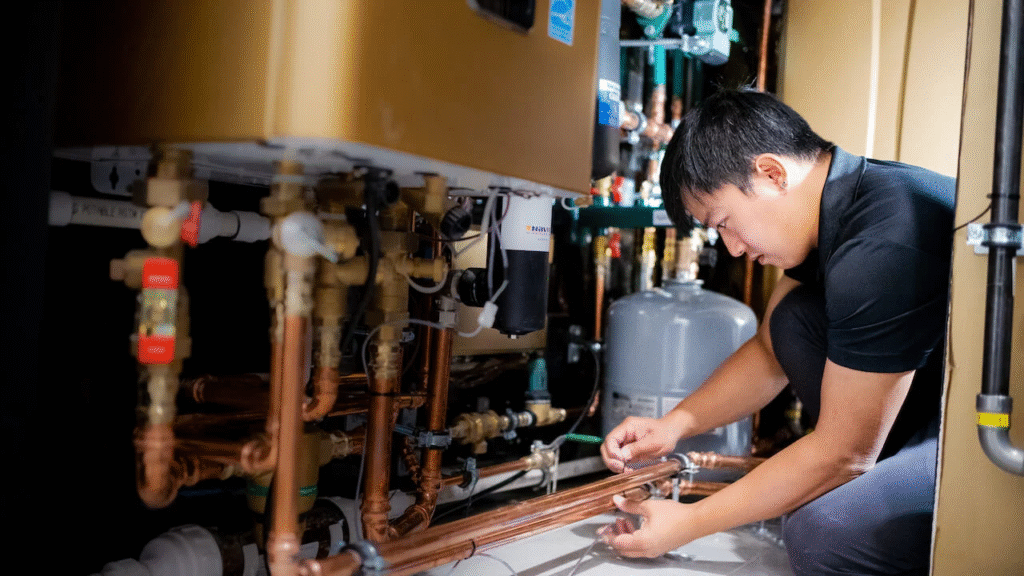
Understanding Plumbing Emergencies
Not every plumbing issue requires immediate professional help, but true emergencies can cause major structural damage, health hazards, and costly repairs if ignored. A plumbing emergency generally involves:
- Uncontrolled water leakage (burst pipes, broken valves, slab leaks)
- Sewage backup causing foul odors and contamination
- Non-functioning essential fixtures such as toilets or main water lines
- Major drainage blockages that threaten to flood your home
- Gas line issues or water heater malfunctions
Identifying these emergencies early and responding quickly can save time, money, and stress.
Step-by-Step Actions to Take During a Plumbing Emergency
1. Shut Off Your Water
Your first priority is to stop water flow.
- For localized problems (like a leaking sink), use the fixture shut-off valve.
- For large leaks, find the main water shut-off valve, typically located near the water meter, garage wall, or exterior foundation.
Turning off the water prevents further damage, buying time before help arrives.
2. Cut Electricity If Necessary
If water is near electrical outlets, appliances, or wiring, shut off electricity at the breaker box. Safety comes first never risk electrocution.
3. Drain Faucets and Flush Toilets
Once the main water supply is off, open faucets throughout the house to relieve pressure in the pipes. This can slow or stop leaks and prevents additional bursts.
4. Contain the Damage
Use towels, buckets, or wet/dry vacuums to control water accumulation.
If safe, move furniture or valuables away from affected areas.
5. Avoid DIY Fixes That Could Make Things Worse
Temporary measures like using plumbing tape on a minor leak can help. However, avoid:
- Using chemical drain cleaners
- Over-tightening pipes
- Attempting water heater repairs
- Taking apart fixtures without proper tools
These can escalate the damage and increase repair costs.
6. Call a Professional Plumber
In an emergency, response time matters. A reliable 24/7 plumber ensures rapid mitigation and long-lasting solutions.
Experienced technicians bring the tools and expertise needed to diagnose problems accurately and fix them safely.
Common Plumbing Emergencies and How to Handle Them
Burst Pipes
Often caused by freezing, aging pipes, or pressure buildup, burst pipes can release gallons of water within minutes.
Immediate action: Turn off the main water valve and call a plumber.
Severe Clogs
A clogged toilet or drain may seem minor, but if water begins backing up into sinks or tubs, you could be facing a main sewer line blockage.
Immediate action: Stop using water throughout the home.
Water Heater Failure
Issues may include leaks, strange noises, rust-colored water, or no hot water.
Immediate action: If the heater is leaking, shut off power or gas and call an expert.
Sewage Backup
If wastewater flows back into your sinks, tubs, or toilets, this is a serious health hazard.
Immediate action: Evacuate the area and get professional help immediately.
Leaking Fixtures
While slow drips aren’t emergencies, sudden heavy leaks or broken faucets can rapidly waste water and cause damage.
Immediate action: Shut off the affected fixture.
Preventing Future Plumbing Emergencies
Routine Inspections
Having your plumbing system inspected once or twice a year can reveal hidden issues early corroded pipes, slow leaks, or faulty valves.
Drain Maintenance
Avoid flushing wipes, grease, food particles, or foreign objects.
Install drain screens in showers and sinks to reduce buildup.
Water Pressure Checks
High water pressure increases strain on pipes. Pressure regulators keep levels safe and stable.
Know Your Plumbing Layout
Identify the location of:
- Main shut-off valves
- Clean-outs
- Water heater controls
This knowledge is invaluable during an emergency.
Update Old Plumbing
Older homes with galvanized steel or polybutylene pipes are prone to leaks and bursts. Consider upgrades for long-term protection.
Why Choose a 24/7 Emergency Plumbing Service?
Emergencies don’t follow business hours. A round-the-clock service provides:
- Immediate response times
- Experienced emergency technicians
- Advanced diagnostic tools
- Long-term repair solutions
- Peace of mind during stressful situations
When a plumbing issue strikes at 2 a.m. or during a holiday weekend, knowing you have trusted professionals ready to assist makes all the difference.
Frequently Asked Questions (FAQs)
1. What should I do first during a plumbing emergency?
Shut off your main water supply to prevent flooding and damage. Then call a professional plumber.
2. Can I wait until morning to fix a leak?
If the leak is steady or causing damage, treat it as an emergency. Delaying repairs can lead to mold, structural issues, and higher repair costs.
3. Are chemical drain cleaners safe?
No. They can corrode pipes and make clogs worse over time. Always use mechanical methods or call a professional.
4. How do I know if my issue is a sewer line problem?
Slow drains in multiple fixtures, gurgling sounds, and foul odors usually indicate a main line blockage.
5. How often should I schedule plumbing maintenance?
Annual inspections are ideal, but older homes or heavy-use systems may benefit from biannual checkups.
Conclusion
A plumbing emergency can overwhelm any household, but quick action and access to reliable professionals can significantly reduce damage and stress. From burst pipes to water heater failures, preparation is key. Always know your shut-off valves, practice good maintenance habits, and rely on trusted experts for repairs. With the right support, your home stays safe, functional, and protected year-round.