
Importance of Proper Planning and Site Preparation
Every successful paving project starts with careful planning and thorough site preparation. A professional contractor will evaluate soil condition, utility locations, slope, and water movement to design a pavement structure that remains stable over time.
Clearing and Grading
The area must be cleared of vegetation, debris, old pavement fragments, and soft or unstable soil. Grading is necessary to establish proper slopes for water drainage. Standing water is the number one enemy of asphalt since it weakens the binder and causes cracks.
Soil Stabilization
If the base soil is weak, wet, or poorly compacted, stabilization is essential. This may involve removing soft soil, adding gravel, or applying base reinforcement materials. A strong foundation will prevent the asphalt from sinking, cracking, or shifting later.
Base Installation
A crushed aggregate base layer provides essential support. Professional paving companies compact this layer with industrial rollers to achieve maximum density. A well installed base is the backbone of a high performing pavement.
Choosing Quality Materials for Lasting Performance
Not all asphalt mixes are created equal. The material needs to be chosen based on expected traffic, weather exposure, and location.
High Quality Hot Mix Asphalt
Hot mix asphalt is the gold standard because it offers flexibility and strength. It is designed to resist cracking in cooler temperatures and softening in extreme heat.
Consideration of Climate
Cape Coral’s hot climate requires an asphalt mix that can withstand ultraviolet exposure and high surface temperatures. A trusted naples asphalt company or a reputable Cape Coral contractor understands which blend performs best in these conditions.
Adequate Asphalt Thickness
Thickness varies depending on traffic load. Residential driveways require less depth than commercial parking lots. Following recommended thickness prevents premature cracking and rutting.
Proper Installation Techniques
Professional installation is key to ensuring long lasting pavement. Even the best materials can fail when improperly placed.
Precision in Asphalt Placement
Contractors must apply the asphalt evenly and maintain consistent temperature. If the asphalt cools too quickly, it becomes difficult to compact and will not bond properly with the base layer.
Correct Compaction
Compaction is one of the most critical steps because it strengthens the pavement and removes air voids. Insufficient compaction leads to water penetration and early failure.
Smooth Joint Construction
Seams and joints must be tightly compacted to prevent separation. Poorly constructed joints are common weak points where cracks and potholes begin.
Ensuring Proper Drainage
Water is one of the most destructive forces affecting asphalt surfaces. Proper drainage design prevents structural failure.
Slope Design
A slight slope is necessary to ensure water flows away from the paved area. Driveways, parking lots, and walkways should always divert water toward grassy areas or drainage systems.
Avoiding Low Spots
Low spots or depressions will collect water. These must be addressed during grading and compaction stages.
Sealcoating for Protection and Longevity
Sealcoating is an essential practice for maintaining the appearance and strength of asphalt surfaces.
Protection Against Elements
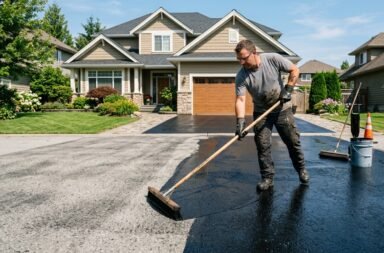
A protective sealcoat shields asphalt from UV rays, oil spills, chemicals, and moisture. This layer acts as a barrier against oxidation, which causes fading and brittleness.
Recommended Frequency
In Southwest Florida, sealcoating is typically recommended every two to three years to keep surfaces looking fresh and performing well.
Routine Maintenance to Extend Pavement Life
Even high quality asphalt requires ongoing maintenance to maximize its lifespan.
Crack Sealing
Cracks should be sealed as soon as they appear. Leaving cracks untreated allows water to seep into the base layer and create major structural issues.
Pothole Repair
Potholes form when water penetrates and compromises the base. Prompt repair prevents the damage from spreading.
Cleaning and Inspection
Routine cleaning removes debris and pollutants that may degrade the surface. Regular inspections help identify early warning signs of deterioration.
Hiring Professional Asphalt Contractors
Choosing the right contractor ensures that the job is completed safely, efficiently, and with long lasting quality. Professional teams have the equipment, training, and experience necessary for large scale residential and commercial projects.
When researching companies, look for those with strong reputations, transparent pricing, proper licensing, and a portfolio of completed projects in Cape Coral and nearby areas. Whether you hire a local contractor or a reputable naples asphalt company, prioritize expertise and proven performance over cost alone.
Final Thoughts
Asphalt is one of the most durable and cost effective paving materials available, but its longevity depends heavily on proper installation and maintenance. Protecting asphalt from cracking, fading, and moisture intrusion starts with Asphalt Paving Cape Coral applied by trained professionals. By following best practices in planning, material selection, drainage, installation, and ongoing care, property owners can enjoy smooth, long lasting surfaces that withstand Florida’s demanding climate.
Below are some frequently asked questions to help guide your next paving project.
FAQs
Why is proper grading important for asphalt paving?
It ensures water flows away from the surface, preventing moisture damage and prolonging pavement life.
How often should I sealcoat my asphalt?
Most Cape Coral experts recommend sealcoating every two to three years for optimal protection.
What causes asphalt to crack prematurely?
Poor drainage, inadequate compaction, weak base layers, and lack of maintenance all contribute to cracking.
Can asphalt withstand Florida heat?
Yes, when the correct hot mix asphalt is used and the installation follows best practices.
How long does a newly paved surface last?
With proper installation and maintenance, asphalt can last 15 to 30 years.